CDL Pre-Trip Inspection A Step-by-Step Guide
A Comprehensive Step-by-Step Guide to Performing a Thorough Pre-Trip Inspection and Ensuring Your Commercial Vehicle Meets Safety Standards Before Hitting the Road
Stages of the CDL Pre-Trip Inspection
The pre-trip inspection is typically divided into three main sections: Vehicle Overview, Engine Compartment, and In-Cab Inspection, followed by a systematic check of the Exterior and Coupling Systems. Below, we outline each stage with detailed steps.

In-Cab Inspection
The in-cab inspection ensures all controls, gauges, and safety equipment are functioning properly before you hit the road.

Exterior Inspection
The exterior inspection focuses on the vehicle’s body, tires, lights, and coupling systems
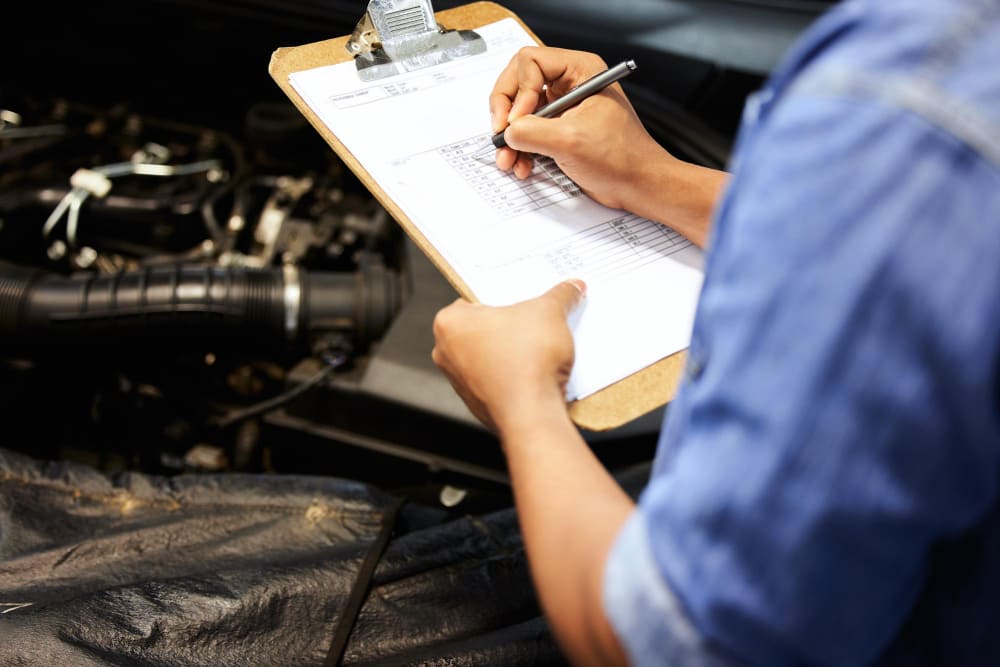
Under-the-Hood Inspection
This stage involves checking the engine compartment for fluid levels, belts, hoses, and other critical components

Why the Pre-Trip Inspection Matters
The CDL Pre-Trip Inspection is a critical milestone in earning and maintaining your license. It proves you can accurately assess a vehicle’s roadworthiness, ensuring you stay compliant with DOT regulations while keeping yourself and others safe on the road.
- Why It’s Essential
Prevent Breakdowns: Identify mechanical issues before they become costly roadside failures.
Ensure Safety: Verify that every component meets strict safety standards to prevent accidents.
Master the CDL Exam: Build the confidence to explain every check clearly to your examiner.
Master Your CDL Pre-Trip Inspection
A Step-by-Step Guide to Passing the Skills Test with Confidence
In-Cab Inspection
The in-cab inspection ensures all controls, gauges, and safety equipment are functioning properly before you hit the road.
- Preparation:
- Ensure the vehicle is parked on level ground with the parking brake engaged.
- Turn off the engine (unless specified) and remove the key from the ignition.
- Key Components to Check:
- Seat Belts: Verify the seat belt is securely mounted, adjusts properly, and latches without fraying or cuts.
- Mirrors: Check that all mirrors (side and rearview) are clean, adjusted, and free of cracks.
- Steering Wheel: Ensure there’s no excessive play (more than 10 degrees) and that it’s securely mounted.
- Gauges and Warning Lights: Start the engine and confirm oil pressure, air pressure, temperature, and fuel gauges are operational. Check that warning lights (e.g., ABS, check engine) illuminate briefly then turn off.
- Horn: Test both the electric and air horn (if equipped) for loud, clear sound.
- Windshield and Wipers: Inspect the windshield for cracks or chips larger than allowed by DOT standards. Test wipers for functionality and check washer fluid levels.
- Emergency Equipment: Verify the presence and condition of a fire extinguisher, reflective triangles, and a first-aid kit.
- Air Brake Check (if applicable):
- Turn the key to “on” without starting the engine.
- Ensure air pressure builds to 120-140 PSI.
- With the engine off, press the brake pedal—pressure should drop no more than 4 PSI per minute (leak test).
- Fan off the brakes until the low-air warning activates (around 60 PSI).
- Continue fanning until the parking brake pops out (around 20-40 PSI).
- What to Say (CDL Exam Tip): For each item, state what you’re checking, how it should function, and any defects you’re looking for (e.g., “I’m checking the oil pressure gauge; it should rise steadily and show no warning lights”).
- Preparation:
Exterior Inspection
The exterior inspection focuses on the vehicle’s body, tires, lights, and coupling systems (if applicable).
- Approach:
- Walk around the vehicle systematically (e.g., front to back, driver’s side to passenger’s side).
- Look for damage, leaks, or anything leaning abnormally.
- Key Components to Check:
- Front of Vehicle:
- Headlights (high/low beams), turn signals, and hazard lights: Ensure they’re clean, secure, and working.
- Front bumper: Check for secure mounting and no excessive damage.
- Tires:
- Inspect all tires for proper inflation (use a gauge if needed), tread depth (minimum 4/32” on steering tires, 2/32” on others), and no cuts, bulges, or exposed cords.
- Check rims for cracks or bends and lug nuts for tightness (no rust trails).
- Side of Vehicle:
- Doors: Ensure they open, close, and latch properly.
- Fuel tank: Verify it’s secure, capped, and not leaking.
- Exhaust system: Check for secure mounting, no holes, and no excessive soot buildup.
- Rear of Vehicle:
- Tail lights, brake lights, and reflectors: Confirm they’re operational and undamaged.
- License plate: Ensure it’s legible and securely attached.
- Coupling System (for Trailers):
- Fifth wheel or ball hitch: Check for secure mounting, proper lubrication, and no cracks.
- Locking pins/jaws: Verify they’re engaged and locked.
- Safety chains/cables: Ensure they’re present and not frayed.
- Front of Vehicle:
- What to Look For: Bent parts, missing bolts, leaks under the vehicle, or anything that could fail under stress.
- Approach:
Under-the-Hood Inspection
This stage involves checking the engine compartment for fluid levels, belts, hoses, and other critical components.
- Preparation:
- Secure the hood with the latch or prop rod.
- Wear gloves if handling hot or oily parts.
- Key Components to Check:
- Fluid Levels:
- Engine oil: Check the dipstick for proper levels (between min/max lines).
- Coolant: Ensure the reservoir is full and not leaking.
- Power steering fluid: Verify it’s at the correct level and not discolored.
- Brake fluid (if accessible): Confirm it’s full and clear.
- Belts and Hoses:
- Inspect belts for proper tension (no more than ½-¾ inch play) and no fraying or cracks.
- Check hoses for leaks, brittleness, or bulges.
- Air Compressor (if air brakes): Ensure it’s securely mounted and belts are intact.
- Battery: Verify it’s secure, terminals are clean, and there’s no corrosion.
- Leaks: Look under the engine for oil, coolant, or fuel drips.
- Steering Components: Check the steering shaft and gearbox for secure mounting and no excessive wear.
- Fluid Levels:
- CDL Exam Tip: Point to each component, name it, explain its purpose, and describe what defects (e.g., leaks, cracks) would make it unsafe.
Master Your CDL Exam with PatriotCDL
Get comprehensive preparation for the CDL exam, including expert training on the Pre-Trip Inspection. Our experienced instructors guide you through every step—from vehicle knowledge to hands-on driving skills—ensuring you approach your test with total confidence.