

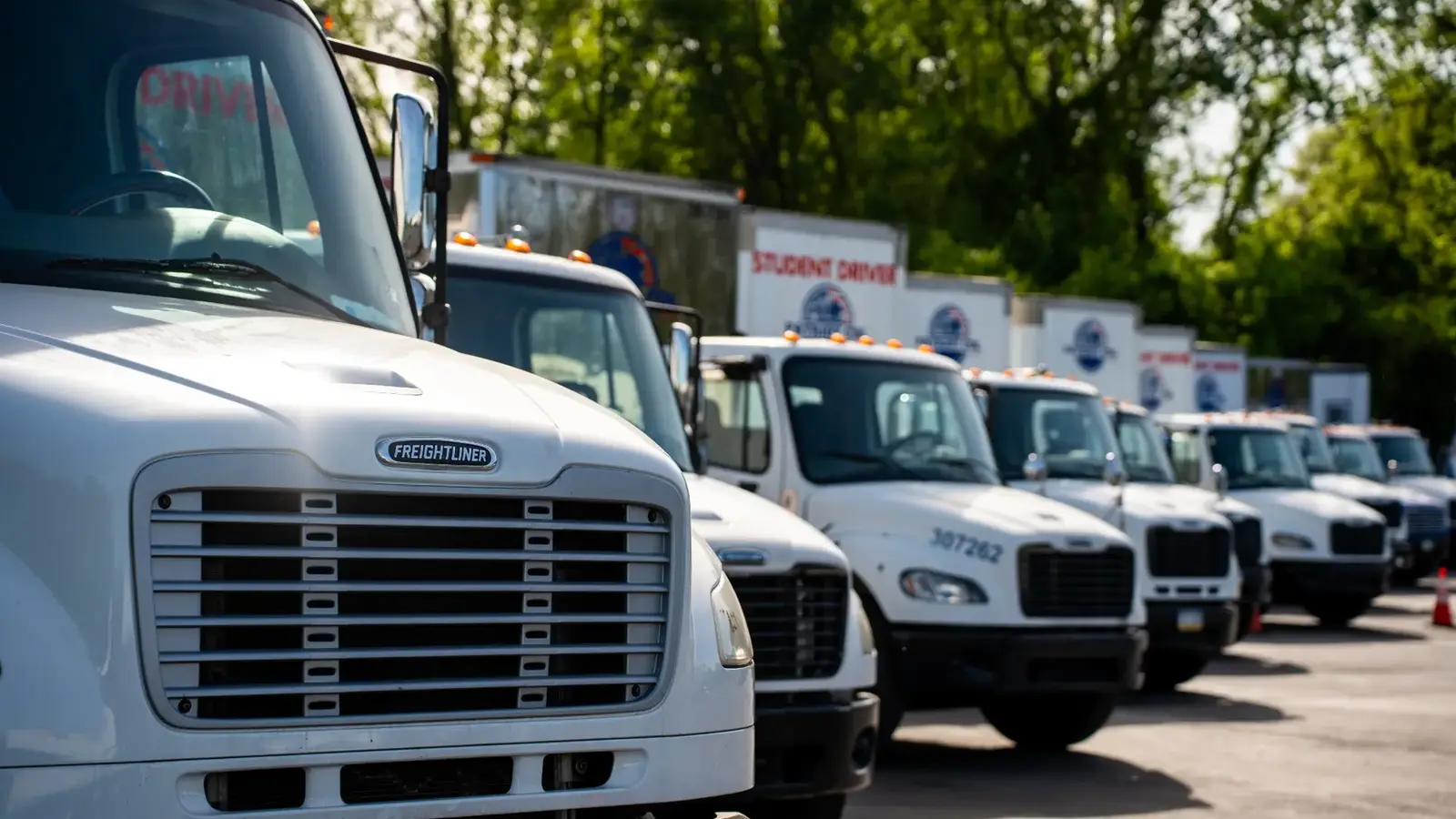
A federal proposal to revise heavy-duty truck emissions requirements is renewing debate over the cost, reliability and timing of the next generation of commercial vehicles. The underlying standards affect model-year 2027 trucks and target major reductions in nitrogen-oxide emissions, but owner-operators and industry groups have warned that complex technology and higher purchase prices can create additional downtime and financial pressure.
The proposed revisions are intended to reduce compliance costs while retaining tighter emissions targets. Federal estimates describe substantial industrywide savings and a lower cost per new truck, although independent drivers remain concerned about whether those projections will translate into affordable, dependable equipment in real-world service.
Fleet purchasing decisions made now may shape capacity and maintenance planning for years. Carriers must weigh the price of new equipment against warranty coverage, parts availability, technician training, fuel economy and the risk of keeping older tractors longer. Owner-operators should examine total cost of ownership rather than focusing only on the monthly payment or sticker price.
CDL drivers may feel the effects through equipment assignments, maintenance procedures and employer hiring plans. The proposal is not the final word, so fleets should continue monitoring the formal rulemaking process and avoid making major compliance assumptions until final requirements and effective dates are confirmed.
Build Your CDL Career With Patriot CDL
Explore professional Class A, Class B and restriction-removal training in Levittown, Pennsylvania.
Talk With Admissions