

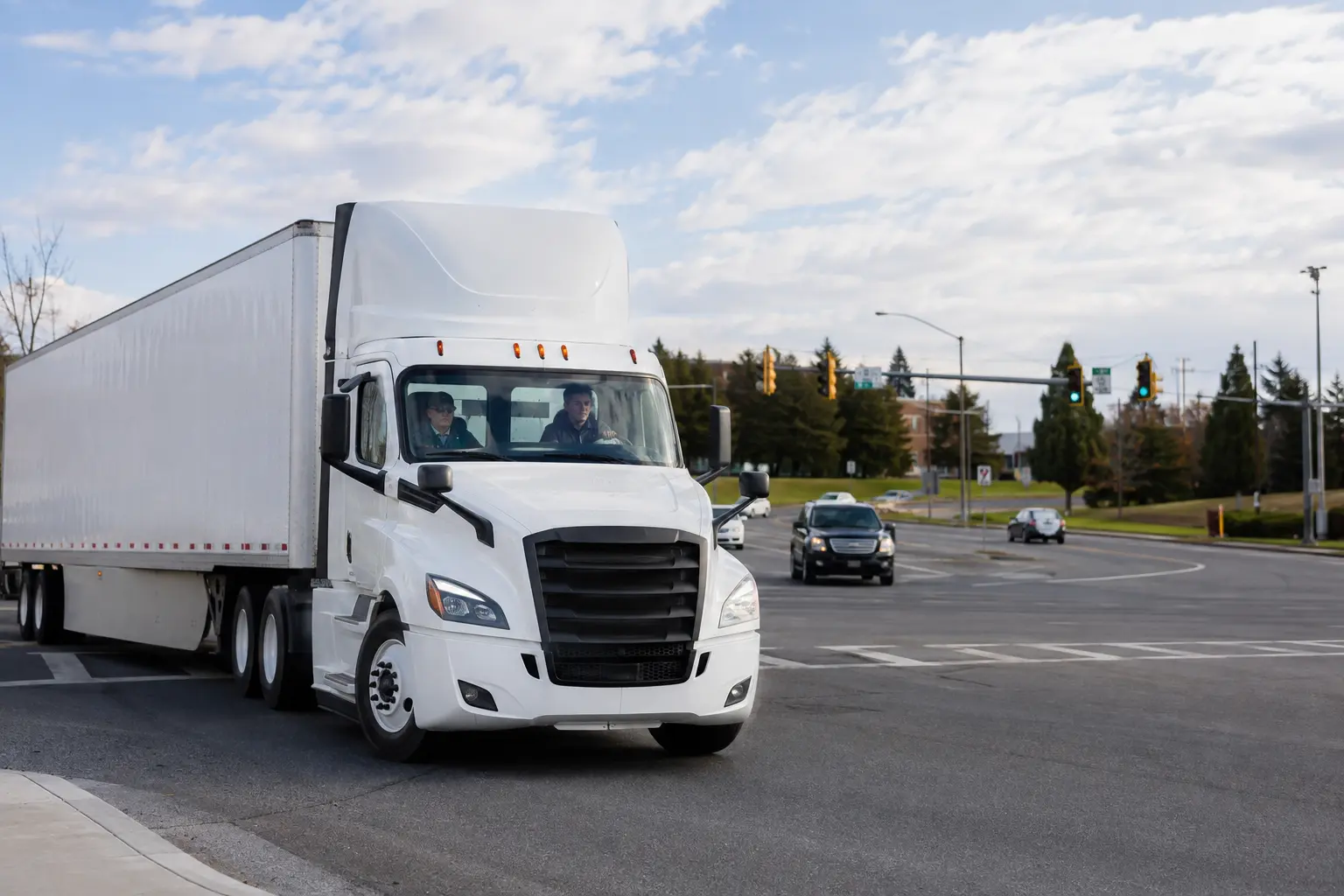
The road portion of the CDL skills test measures judgment as much as vehicle handling. The examiner watches whether the applicant gathers information early, manages space, communicates intentions, and maintains control through changing traffic conditions.
Commercial vehicles need more stopping distance and turning room than passenger cars. A driver who approaches too quickly or reacts late can lose the safe options needed to protect the trailer, curb, surrounding traffic, and vulnerable road users.
Why Road Test Matters
Commercial vehicles need more stopping distance and turning room than passenger cars. A driver who approaches too quickly or reacts late can lose the safe options needed to protect the trailer, curb, surrounding traffic, and vulnerable road users. A student should connect every rule or technique to a real operating decision. That approach improves recall during testing and supports better judgment after licensing.
Requirements, vehicle configurations, and employer procedures can differ. Use the current Pennsylvania CDL manual, FMCSA materials, and direct instruction for the exact situation rather than relying on a shortcut or isolated online answer.
A Practical Action Plan
- Step 1: Scan far ahead and identify signals, signs, lane changes, and developing hazards before reaching them.
- Step 2: Reduce speed early enough to enter intersections and curves under control without abrupt braking.
- Step 3: Set up wide turns legally, track the trailer in the mirrors, and finish in the correct lane.
- Step 4: Make observation visible with deliberate mirror and traffic checks before and after each maneuver.
Progress should be measured by repeatability. Perform the procedure correctly, explain why it is safe, and then repeat it under realistic time and attention demands. When performance breaks down, return to the first step that became inconsistent instead of practicing the error faster.
Common Mistakes to Avoid
- Looking only at the vehicle immediately ahead instead of the full traffic scene.
- Entering a turn too fast and correcting lane position after the trailer begins tracking poorly.
- Failing to recheck mirrors after completing a turn or lane change.
- Allowing nervousness to cause rolling stops, late signals, or rushed decisions.
Qualified feedback matters because a student cannot always see a developing habit from the driver’s seat. Ask the instructor for one specific correction, practice it deliberately, and confirm that the change works across several attempts.
Student Readiness Checklist
- □ I scan well beyond the hood
- □ I control speed before intersections
- □ I protect the trailer path during turns
- □ I make mirror checks visible
- □ I maintain safe following distance
Frequently Asked Questions
What should I do if another driver blocks the space I need for a turn?
Slow or stop as necessary, preserve clearance, and wait for a safe opportunity. Do not force the commercial vehicle into an unsafe position.
Are mirror checks important after a turn?
Yes. A post-turn check confirms trailer clearance, lane position, and the traffic now surrounding the vehicle.
Educational information only. Rules, forms, testing procedures, fees, and employer requirements can change. Verify current requirements with PennDOT, FMCSA, the testing provider, and your employer as applicable.