

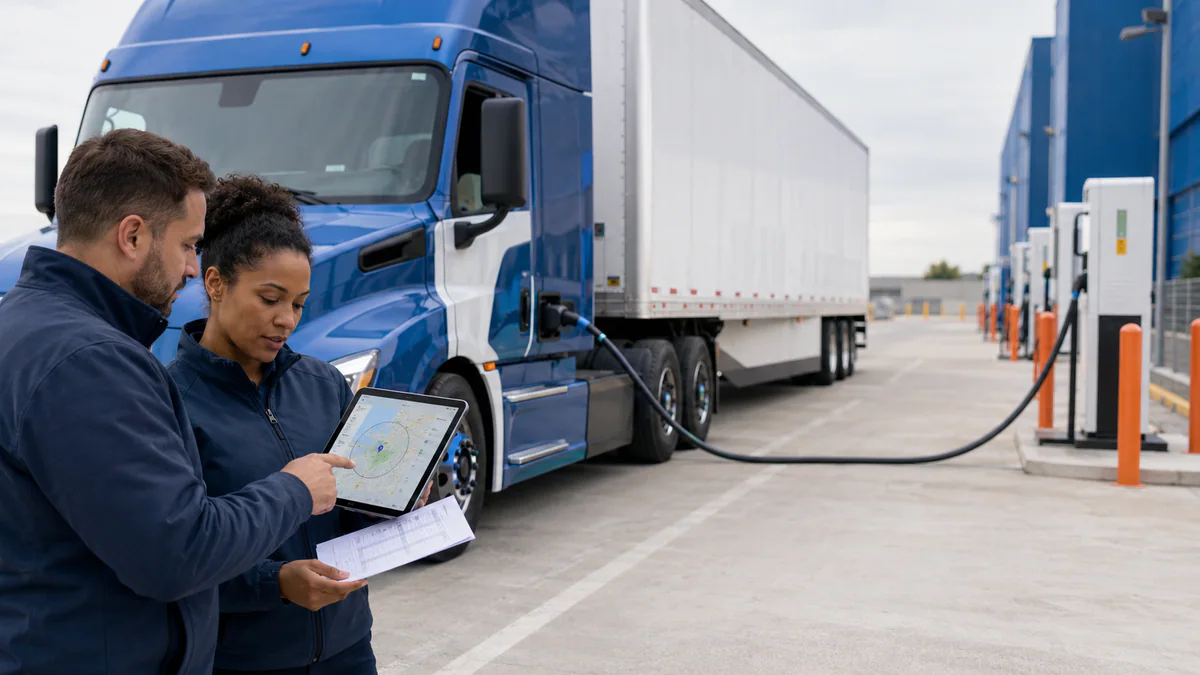
Range, payload, fueling access and service support determine whether new technology fits an operation. Patriot CDL reviewed the FleetOwner reporting and the broader equipment issue to explain what it means for professional drivers, CDL students, carriers and owner-operators. The practical impact can appear in safety, compliance, pay, vehicle uptime or trip planning.
The first step when evaluating “Alternative-Fuel Trucks Require Route-Specific Evaluation” is to separate a confirmed requirement from a developing trend or general recommendation. Drivers should follow current official guidance, their carrier’s written procedures and instructions that apply to the exact vehicle, cargo and route.
Fleets can respond by identifying the records and daily processes connected to this equipment topic. Qualification files, maintenance reports, dispatch plans, rate confirmations, training records and inspection checklists should show who reviewed the issue and what corrective action was completed.
For students and newer CDL holders, “Alternative-Fuel Trucks Require Route-Specific Evaluation” becomes useful when it is connected to a repeatable action. Ask an instructor or employer to demonstrate the correct procedure, explain why it matters and show how the result is documented before the truck moves.
Build Your CDL Career With Patriot CDL
Explore professional Class A, Class B and restriction-removal training in Levittown, Pennsylvania.
Talk With Admissions