

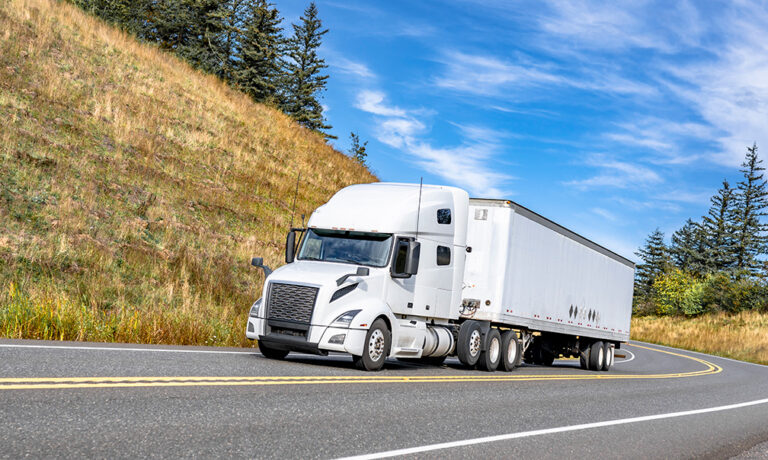
Freight rates are strengthening, but higher diesel prices are absorbing a meaningful share of the improvement for carriers and owner-operators. June market reports showed capacity continuing to tighten while freight volumes remained positive. Spot rates increased across dry van, refrigerated and flatbed freight, creating long-awaited pricing leverage after an extended period of weak carrier margins.
The cost side is moving just as quickly. The national diesel average ended June substantially above the same point in 2025 and has continued rising in July. Operators without effective fuel-surcharge protection may see stronger gross revenue without a comparable increase in net profit. Empty miles, idling, inefficient fueling and unpaid delays become even more expensive when the price per gallon climbs.
Carriers should review fuel-surcharge formulas, update cost-per-mile calculations and compare every lane using current—not historical—fuel assumptions. Independent drivers should confirm whether a brokered rate includes a separate surcharge and estimate both loaded and repositioning miles before accepting the load. A higher per-mile offer can still underperform if the return market is weak or the pickup requires excessive waiting.
For company drivers, market improvement may support steadier miles and stronger hiring demand, but weekly earnings will still depend on freight consistency and operating efficiency. The practical takeaway is to separate revenue growth from profitability. Rates, fuel, maintenance, insurance and unpaid time must be evaluated together before a fleet expands equipment or an owner-operator commits to a lane.
Build Your CDL Career With Patriot CDL
Explore professional Class A, Class B and restriction-removal training in Levittown, Pennsylvania.
Talk With Admissions