So, you’ve started searching for "CDL training programs near me." That's a fantastic first move toward a solid, in-demand career. The real challenge, though, isn't just finding a school—it's finding the right one that genuinely prepares you for a long and successful life on the road.
Let's walk through how to do just that.
Your Guide to Finding Local CDL Training Programs
The need for skilled, professional truck drivers has never been higher. With supply chains stretched thin and e-commerce booming, companies are desperate for qualified drivers. This demand is fueling massive growth in the industry—in fact, the driving school sector is expected to hit a significant valuation in the coming years.
What does that mean for you? It means you have a lot of schools to choose from. But it also means you have to be smart about picking the one that will give you the best return on your investment. Before you even look at schools, you need to figure out what kind of license you're aiming for.
Matching a CDL Class to Your Career
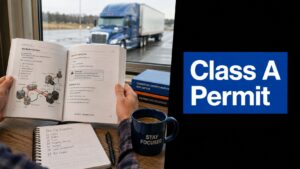
Not all commercial driver's licenses are created equal. The type of driving you want to do will dictate whether you need a Class A, B, or C license. Each one qualifies you for different kinds of vehicles and career paths.
To help you get a clear picture, here’s a quick breakdown of the different CDL classifications.
| CDL Class | Vehicle Type | Common Career Paths |
|---|---|---|
| Class A | Combination vehicles (tractor-trailers, tanker trucks) | Long-haul trucking, regional freight, specialized transport |
| Class B | Single vehicles (dump trucks, box trucks, buses) | Local delivery, construction, public transportation, waste management |
| Class C | Smaller commercial vehicles (passenger vans, hazmat vehicles) | Airport shuttles, hazmat transport, limousine services |
Deciding on the right class is your first big decision. Each one opens up different doors, so think about the kind of work-life balance and earning potential you're looking for.
A great training program does so much more than just teach you how to pass the test. It's about building the deep-seated skills and confidence you'll rely on every single day for a safe, lifelong career. Look for a curriculum that nails both the crucial classroom theory and provides tons of behind-the-wheel practice.
If you’re after the highest earning potential and the most job opportunities, going for a Class A CDL is usually your best bet. It’s the most versatile license and what most major carriers are looking for.
To get a feel for what a comprehensive course looks like, you can check out our Class A CDL training program. Doing this kind of initial homework helps you set a benchmark for quality, ensuring any school you consider is teaching the skills that employers actually want.
What a High-Quality CDL Curriculum Looks Like
A great CDL program does more than just teach you how to pass the test; it sets you up for a long, successful career on the road. When you're searching for CDL training programs near me, the curriculum is the single best way to tell a serious school from a "license mill." It shows you exactly what they think is important for a new driver to know.
The best schools have figured out the perfect blend of classroom learning and actual, hands-on driving. Let's be real—you can't learn to feel the weight of an 80,000-pound rig from a textbook. But you also can't hit the road without a rock-solid understanding of federal regulations, safety protocols, and how to keep a proper logbook.

Blending Classroom Knowledge with On-the-Road Skills
Think of classroom time as building your foundation. It’s where you master the essential non-driving skills that are just as crucial as handling the truck itself. It’s learning the rules of the game before you even get in the driver's seat.
A well-designed curriculum will dig deep into:
- Federal Motor Carrier Safety Regulations (FMCSR): These are the rules of the road for truckers, covering everything from hours of service to vehicle maintenance.
- Logbook and ELD Management: Messing this up can get you and your company in serious trouble. Proper logging is non-negotiable.
- Defensive Driving Techniques: You'll learn how to spot trouble before it happens and react safely when things get hairy.
- Pre-Trip Inspections: This is a daily ritual. Knowing how to properly inspect your rig is a fundamental safety responsibility. You can get a head start with our guide on the https://patriotcdl.com/pre-trip-inspection/.
Of course, the classroom is only half the battle. The real magic happens when you get behind the wheel. The amount of seat time a school gives you is one of the most critical things to look for.
The goal isn’t just passing the skills test. It’s building the muscle memory and instincts to handle tight city corners, merge into chaotic highway traffic, and nail a tough backing maneuver without breaking a sweat.
Real-World Training Scenarios and Equipment
A curriculum that just has you driving in circles in an empty parking lot isn't doing you any favors. You need a program that throws real-world challenges at you. This means training on modern, industry-standard trucks—the kind you'll actually be driving when you get hired.
It also means getting experience in all sorts of environments. Driving on a quiet backroad is one thing, but what about navigating a crowded distribution center or handling a steep mountain grade?
Some of the most respected vocational programs set a great example here. Many intensive courses offer extensive training hours for a Class A license. They mix classroom sessions on things like weight distribution with tons of practical time in different trucks and trailers.
This dual focus on knowledge and hands-on skill is what makes a program truly exceptional. The best schools also build valuable endorsements right into their main curriculum. Getting your HazMat, tanker, or doubles/triples endorsement from the start can seriously increase your paycheck and open up better job opportunities right out of the gate.
Understanding the Real Cost of CDL Training and How to Fund It
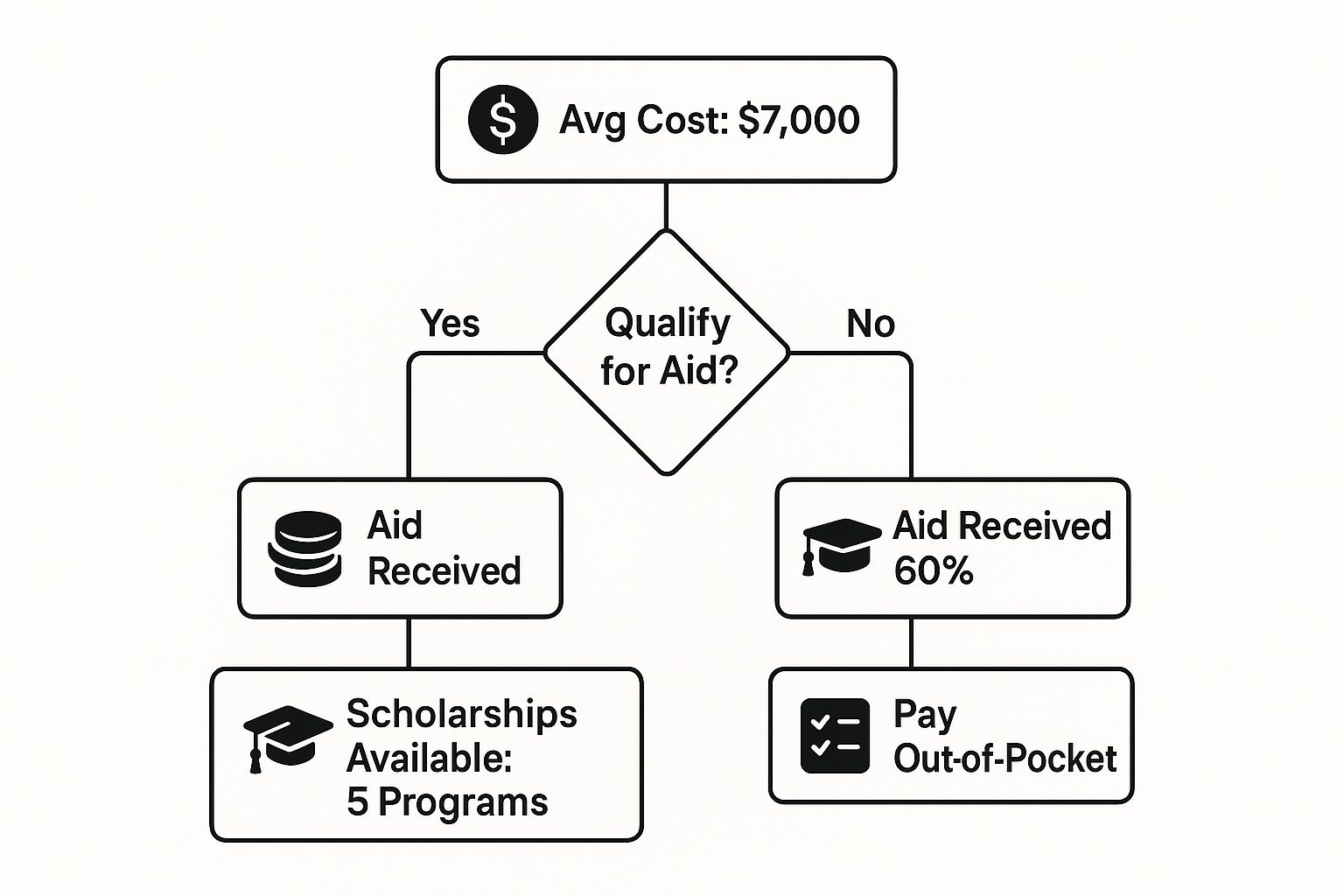
Let's talk about the elephant in the room: the cost. Getting your CDL is a serious investment, but it’s one that shouldn’t stop you from pursuing a new, high-demand career. As you're searching for CDL training programs near me, figuring out the real price tag and your payment options is just as critical as the training itself. The good news? There are plenty of ways to make it happen financially.
The tuition for a solid Class A program usually covers your classroom time, hands-on driving with their vehicles, and your first shot at the CDL exam. But you've got to ask about the extras. What about permit fees, the required DOT physical, or the cost if you need to retest? Knowing these details upfront helps you build a realistic budget with no surprises.
Breaking Down Your Funding Options
Once you have a handle on the total cost, it's time to figure out how to pay for it. A lot of aspiring drivers are surprised to learn they don't have to foot the entire bill themselves. There's a ton of financial aid and sponsorship opportunities out there.
Here are the most common routes people take to fund their training:
- Company-Sponsored Training: This is a huge one. Many big trucking companies are so eager for qualified drivers that they'll pay for your entire CDL school tuition. The deal is you agree to work for them for a specific period, usually about a year. It’s a fantastic way to get your training and land your first job all at once.
- Workforce Development Grants: Truck driving is almost always considered an in-demand occupation. Because of this, state and local workforce agencies often have grants available to help people get trained. The best part? Grants are not loans—you don't have to pay them back.
- Veteran Benefits: If you've served in the military, your GI Bill® benefits can be a game-changer. Many reputable CDL schools are approved to accept these benefits, making it an excellent path for veterans transitioning into a civilian career.
Don't let the initial sticker price scare you off. CDL school isn't just a cost; it's a direct investment in a career with incredible job security and earning potential. With the right financial plan, that investment is closer than you think.
How to Get Started
The first real step is just having a conversation. Any good school will have someone on staff—a financial aid advisor or admissions expert—who can sit down with you and explain every single option. They’re the ones who can connect you with company sponsors, show you where to apply for grants, or help you navigate the paperwork for veteran benefits.
This kind of personalized help is what makes the difference. The best programs are totally transparent about their costs and genuinely want to help students find the money to enroll.
When you’re ready to see just how affordable getting your CDL can be, the best move is to get personalized information. Filling out a simple sign-up form is all it takes to connect with an expert who can unlock funding resources you probably didn't even know existed.
Finding the Right Truck Driving School for You
So, you’ve searched for "CDL training programs near me" and have a list of potential schools. Now comes the hard part: figuring out which one will actually set you up for a successful career. It’s time to look past the marketing and focus on what really counts on the road.
First things first, check for state licensing and accreditation. This isn't just a piece of paper; it's your assurance that the school meets strict safety and quality standards set by the industry and government. If a school isn't properly licensed, that’s a deal-breaker. Simple as that.
You Need Personalized Attention
One of the biggest factors in your success will be the student-to-instructor ratio. This isn’t a luxury—it’s a necessity. You need an instructor right there with you when you’re trying to back a 53-foot trailer for the first time, not yelling instructions from across a crowded lot.
A low student-to-instructor ratio means more one-on-one time behind the wheel. That's where you truly learn—mastering tough maneuvers, getting immediate feedback, and building the kind of real-world skills that make you a professional, not just a license holder.
This kind of hands-on, personal training is the signature of a top-tier CDL program. It shows they see you as a future professional who deserves dedicated mentorship, not just another student to push through the system.
See What Happens After Graduation
A good school’s job isn't over the moment you pass your CDL exam. Look for a program with strong job placement assistance. This is a huge indicator of quality. The best schools have built solid relationships with major trucking companies and can put you in direct contact with the people doing the hiring.
Here's what to look for:
- A High Placement Rate: Don't be afraid to ask for the numbers. A school that’s proud of its track record will be happy to tell you what percentage of their graduates land jobs right after finishing the program.
- Carrier Relationships: Do they have recruiters from local, regional, and national companies visiting the campus? A network of employers who actively hire from the school is a great sign.
- Career Support: Do they offer help with building a resume or prepping you for interviews? This kind of practical support is invaluable when you're trying to land that first driving job.
The truck driving school industry is a big business. With so much demand for drivers, a school's ability to actually connect you to job opportunities is more critical than ever.
Do Some Digging on Your Own
Don't just rely on what the school tells you. You have to do your own homework. Read online reviews from recent graduates to get honest, unfiltered opinions about their experiences.
Even better, schedule a visit to the campus. Go see it for yourself. Walk around the yard, check out the trucks you’ll be training in, and talk to the instructors and students who are there right now.
While you're there, ask specific questions about the CDL requirements and how their program specifically prepares you to meet every single one. A school that’s open, transparent, and genuinely invested in your future is the one you want in your corner.
CDL School Comparison Checklist
To help you stay organized, use a simple checklist like the one below. It’s an easy way to compare schools side-by-side and see which one truly lines up with your career goals.
| Evaluation Criterion | School A | School B | Patriot CDL |
|---|---|---|---|
| State Licensed & Accredited? | |||
| Student-to-Instructor Ratio | |||
| Years in Business | |||
| Job Placement Rate (%) | |||
| Hands-On Driving Time (Hours) | |||
| Tuition Cost | |||
| Financing Options Available? | |||
| Modern, Well-Maintained Fleet? | |||
| Positive Online Reviews? | |||
| Career Services Offered? |
Once you’ve filled this out, the right choice often becomes much clearer. Taking the time to do this research now will pay off for years to come in your new career.
The Patriot CDL Advantage in Hands-On Training

When you start searching for "CDL training programs near me," you'll see a lot of schools that can get you a license. But the real difference-maker—the thing that separates a good school from a great one—is a deep-seated commitment to real-world preparation. This is exactly where Patriot CDL stands out from the crowd. Their whole philosophy is built around one simple idea: get you as much time behind the wheel as possible.
Of course, classroom work has its place. But true confidence isn't built from a textbook. It’s built on the road, developing the muscle memory for backing into a tight spot or shifting gears on a steep grade. Patriot CDL gets this, which is why their program is designed to move you from the parking lot to actual road conditions you'll face every day in your career.
Training on Modern, Industry-Standard Equipment
Think about it this way: you wouldn't learn to be a mechanic on an engine from 30 years ago. The same exact logic applies to trucking. Patriot CDL invests in a modern fleet, so you’re training on the same equipment that the top carriers are running right now. This is a small detail that makes a massive difference.
When you learn on up-to-date trucks, you get comfortable with modern transmissions, air brake systems, and current in-cab technology right from the start. That kind of hands-on experience makes you a much stronger candidate for employers because you won't need as much time getting up to speed on their gear. It’s a direct line from your training to being job-ready.
This commitment to quality also covers full federal compliance, especially with the mandatory Entry-Level Driver Training (ELDT) standards. To get a better handle on how these rules shape good instruction, check out the essentials of ELDT-compliant CDL training and see why it’s a non-negotiable for any school worth its salt.
Learning from Instructors with Real-World Miles
Let’s be honest, the person sitting next to you in the cab can make or break your training. At Patriot CDL, the instructors aren't just reading from a manual. They’re seasoned truckers who have put in years—often decades—on the road themselves. They bring real stories, hard-earned wisdom, and practical advice to every single lesson.
An instructor who has actually hauled a load through a blizzard in the Rockies or navigated downtown Chicago at rush hour can give you insights you'll never find in a book. They don’t just teach you how to pass the test; they teach you how to think like a professional driver.
That kind of mentorship is priceless. These veterans know the challenges, the unwritten rules of the road, and what hiring managers are really looking for. It’s this guidance that helps turn a student into a skilled, confident professional ready for a long career.
A Direct Path to Your First Trucking Job
Getting your CDL is a huge milestone, but it's just the beginning. The real goal is landing a great job. Patriot CDL has built an incredible support system to make sure that happens. Over the years, they've developed strong, trusted relationships with a whole network of local, regional, and national trucking companies.
This network is more than just a list of phone numbers. It creates real opportunities for graduates.
- On-Campus Recruiting Events: They bring the hiring managers straight to you.
- Direct Job Referrals: Instructors connect top-performing students with companies that are actively hiring.
- Career Guidance: You get help with your applications and interview prep so you can put your best foot forward.
This focus on job placement is what bridges the gap between training and employment. It creates a clear, straightforward path from the classroom to a rewarding career on the open road.
Answering Your Final Questions About Local CDL Training
Even after you've done the research, a few last questions always seem to pop up when you're looking for "CDL training programs near me." Getting solid answers is the final step before you can commit with confidence. Let's walk through the big ones we hear all the time.
How Long Will It Take to Get My CDL?
This is usually the first thing on everyone's mind. The short answer? It depends on the program's intensity. Most full-time, immersive Class A CDL courses are built for speed, typically running between three and seven weeks. They’re designed to get you skilled, licensed, and earning a paycheck as fast as possible.
But not everyone can drop everything for a full-time course. Good schools get that. To help students juggling jobs or family, many offer more flexible schedules.
- Part-Time Programs: These courses spread the training out over a few months, letting you learn without upending your life.
- Weekend-Only Classes: A perfect fit if you work a standard Monday-to-Friday job. You can get your training done on Saturdays and Sundays.
The right program length is simply the one that works for your schedule while giving you all the hands-on hours you need to be a safe, confident driver.
Don't make the mistake of thinking faster is always better. The real measure of a program isn't speed—it's the quality of the training and the amount of time you spend behind the wheel. That’s what builds real skill.
What Do I Need to Enroll in a CDL School?
The good news is that the entry requirements are pretty straightforward. While you might find slight variations between states, the fundamentals are nearly universal.
Generally, before you can sign up, you'll need to check these boxes:
- Be at least 18 years old to drive commercially within your home state (intrastate).
- Be at least 21 years old if you want to drive across state lines (interstate).
- Have a valid, standard driver's license.
- Pass a Department of Transportation (DOT) physical.
- Show proof of U.S. citizenship or lawful residency.
Some schools may ask for a bit more, like a clean driving record or a high school diploma. It's always a smart move to double-check the specific list of requirements with the admissions team for any school you're seriously considering.
Will the School Help Me Land a Job After Graduation?
It absolutely should. In fact, job placement assistance is one of the most important things a quality truck driving school provides. They know your goal isn't just the plastic card—it's a career.
Top schools have spent years building relationships with trucking companies—local, regional, and national—that are constantly looking for qualified new drivers. They bring recruiters right to campus, host career fairs, and help you sharpen your resume and interview skills. No school can legally guarantee a job, but one with a strong placement program and a proven track record gives you a massive head start on finding a great trucking job right out of the gate.
Ready to stop searching and start driving? The expert team at Patriot CDL can answer any other questions you have and guide you toward the perfect program for your career goals. Visit us at https://patriotcdl.com to take the next step.