


A classroom can explain off-tracking, but a student must eventually recognize it in the vehicle’s actual movement. A diagram can name a coupling component, but supervised access is needed to connect that name with a real inspection. Hands-on CDL instruction is valuable because it brings knowledge, observation, control, and feedback together. Its quality depends on how the practice is organized, not merely on being near a truck. This guide explains what meaningful practical instruction looks like, how experienced instructors make feedback useful, and how students can assess progress without relying on promises about a fixed graduation date or guaranteed employment.
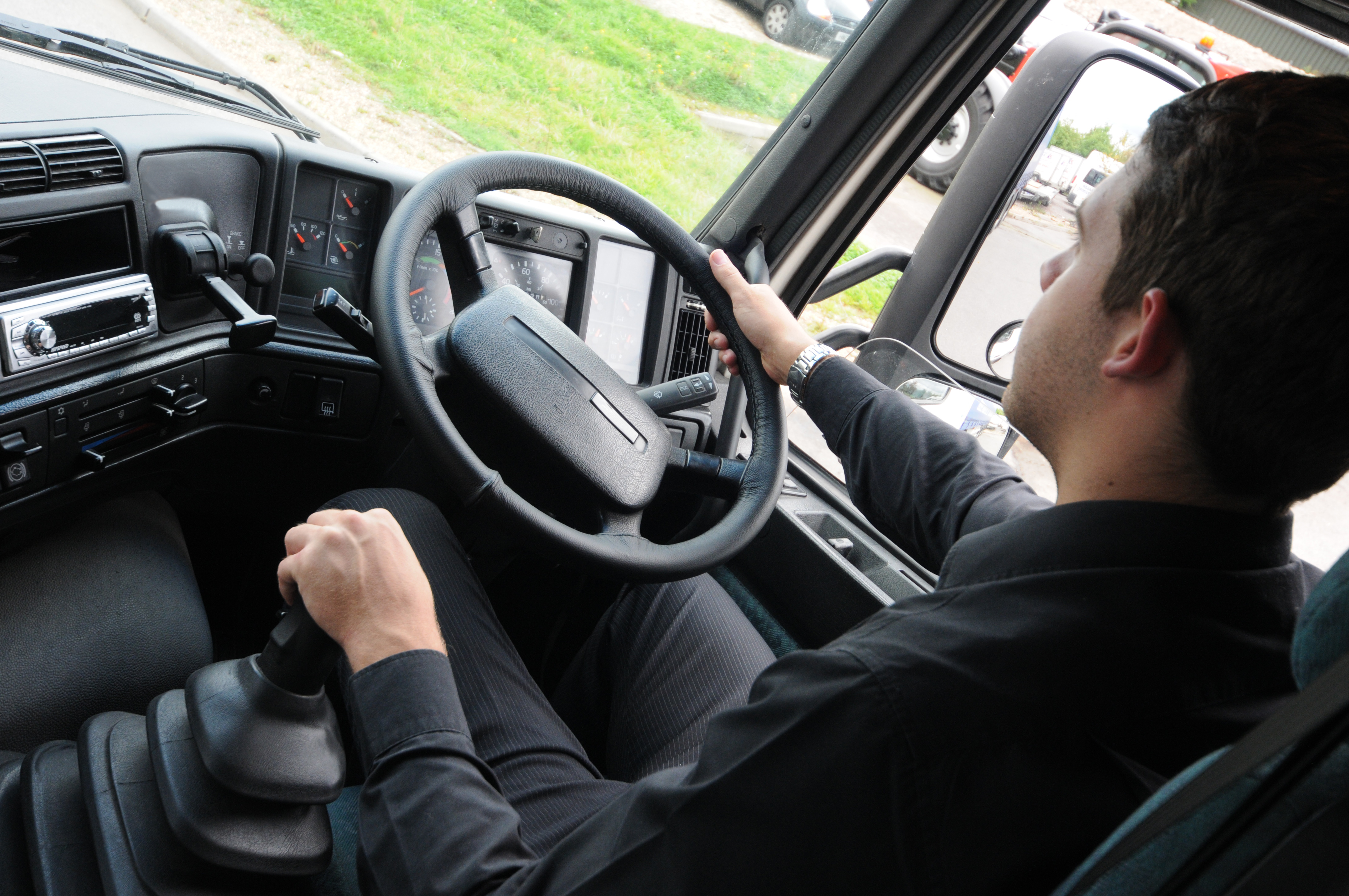
Understand what practical learning adds to theory
Theory provides the language and principles for safe operation. Practical instruction tests whether the learner can apply them while managing equipment, traffic information, and changing conditions. These are connected forms of learning. A student who knows the definition of space management may still need help recognizing a closing gap early enough to respond smoothly. The federal ELDT framework includes requirements for specified first-time licenses, upgrades, and endorsements, but a course’s real learning value also depends on the quality of instruction and the learner’s demonstrated skills. Ask how the provider connects the written material with the practical tasks.
A situation to discuss
A learner answers a backing question correctly but makes repeated late corrections in the truck. The instructor links the diagram to the mirror view and trailer response. The written concept becomes useful because the student can now identify the moment it applies.
Practice with a clear purpose
Choose one manual concept before a session and ask where it will appear in practice. Afterward, describe the observation or action that made the concept concrete. Identify any mismatch between knowing the answer and performing the task.
Ask yourself: Can I recognize the concept in an actual driving decision?
Look for a planned progression rather than random repetition
Effective instruction normally moves from an assessed starting point toward tasks of appropriate difficulty. A learner may first need a stable setup, then controlled movement, then more complex decisions. Repeating a complete maneuver without identifying the cause of error can strengthen the wrong habit. Ask what the current objective is, what evidence shows progress, and what the next level requires. A good progression also allows the instructor to pause or simplify when the learner becomes overloaded. Progress is not always linear, and a correction on one day may need reinforcement in a different context.
A situation to discuss
A student repeats a backing exercise but keeps beginning from an unsuitable position. More repetitions alone do not fix the setup. The instructor isolates the starting position, verifies the intended path, and then returns to the full exercise.
Practice with a clear purpose
Write the current objective in observable terms, such as establish the agreed setup and identify the trailer response early. Ask which part will be practiced separately before it is combined with the rest of the maneuver.
Ask yourself: Am I practicing the cause of the problem or only repeating its result?
Use instructor experience to explain decisions
Experience is most useful when the instructor can translate it into a clear explanation the student can apply. A story about a difficult delivery may be interesting, but the learning comes from identifying the clues, options, and decision point. Ask why a particular action is appropriate and what would change the choice. Be willing to hear a correction that challenges a comfortable habit. At the same time, distinguish a personal preference from an official requirement. Current manual guidance and the actual vehicle’s procedures should anchor the lesson whenever compliance or equipment safety is involved.
A situation to discuss
An instructor describes a tight entrance by focusing on where the driver should reassess clearance and when backing should be avoided. The student gains a decision method rather than a dramatic story about how an experienced driver managed a difficult situation.
Practice with a clear purpose
After an explanation, restate the decision in your own words and ask for a variation. For example, explain how the plan changes if traffic increases, the view is blocked, or the vehicle configuration differs.
Ask yourself: What information would make this experienced driver choose a different plan?
Turn feedback into one manageable correction
A beginner may receive several observations after an exercise, but trying to fix everything at once can overload attention. Ask which correction has the highest priority and why. Describe what you will do differently before the next attempt. The instructor should be able to observe the change. Useful feedback names a behavior, its effect, and a practical adjustment rather than labeling a student as simply confident or nervous. If a correction is unclear, ask while parked or during the debrief. Guessing at feedback can create another incorrect habit.
A situation to discuss
The instructor notices a late setup, excessive steering, and long fixation on one mirror. The next attempt focuses first on establishing the setup and a more balanced scan. Once those improve, the remaining control issue can be evaluated more clearly.
Practice with a clear purpose
Use a three-line feedback note: observed behavior, safety or learning effect, and next action. Before repeating, explain the next action aloud. Afterward, ask whether the intended behavior changed.
Ask yourself: What single observable correction should I prioritize on the next attempt?
Use observation time actively and within safe boundaries
Watching another learner can be useful when it has a purpose and occurs from an authorized safe position. Observe the setup, decision points, and instructor feedback, then compare with your own understanding. Do not stand in a vehicle’s intended path or approach equipment to get a better view. Observation does not equal driving practice, and a training offer should explain its format clearly. Ask how practical sessions are organized and how individual progress is assessed. A student benefits from knowing the difference between receiving instruction, operating equipment, watching a demonstration, and waiting.
A situation to discuss
While waiting safely, a student watches how a trailer begins to change direction after a small input. They note a question for the instructor instead of trying to direct the other learner. The observation prepares a better discussion during their own authorized turn.
Practice with a clear purpose
Before an observation period, choose one feature to watch, such as starting alignment or the moment the driver stops to reassess. Record a question and ask it during the appropriate debrief, without distracting a moving driver.
Ask yourself: What specific information will this observation add to my own next attempt?
Assess readiness through repeatable performance
A single successful attempt can result from unusually helpful conditions or close prompting. Readiness requires a broader picture: the learner understands the task, performs it consistently under the appropriate supervision, recognizes uncertainty, and responds safely when conditions differ. Ask how the school evaluates these qualities. Avoid judging a program solely by the shortest advertised duration. Administrative requirements, equipment, scheduling, and individual learning affect timing. A responsible readiness discussion names the remaining gaps and the plan for addressing them rather than treating a calendar date as proof that the student is prepared.
A situation to discuss
A learner performs one excellent turn after detailed step-by-step prompting but struggles when the approach changes. The instructor identifies the next goal as independent recognition of the setup within the supervised lesson, rather than declaring the skill complete from one result.
Practice with a clear purpose
Review several attempts, including an imperfect one. Ask what was consistent, what depended on prompting, and what changed when the setting differed. Use that evidence to plan focused practice before the next assessment.
Ask yourself: Can I explain and repeat the decision, or did I only complete one favorable attempt?
Connect training with the next stage of professional learning
A CDL is a licensing milestone, not proof that every freight type, employer procedure, or vehicle has been mastered. Employer orientation and further task-specific training remain important. Hands-on instruction should build habits that transfer: inspecting accurately, communicating concerns, planning space, stopping when uncertain, and asking for appropriate guidance. When comparing schools, ask how those habits are taught and evaluated. Avoid promises that training guarantees a salary, employer, or accident-free career. The practical benefit is a stronger foundation for continued learning and a more realistic understanding of the responsibility involved in operating commercial equipment.
A situation to discuss
A graduate encounters a different dashboard and a new delivery procedure. The useful training habit is to learn the configuration and ask questions before operating, rather than pretending that passing the licensing test made every unfamiliar task automatic.
Practice with a clear purpose
Prepare a first-employer question list about equipment orientation, routes, cargo procedures, communication, and supervision. Identify which habits from training will help you learn those details without assuming the school covered every workplace.
Ask yourself: Which learning habits will help me respond safely when the next vehicle or assignment is unfamiliar?
Decision worksheet
| Focus | Why it matters | Practical action |
|---|---|---|
| Theory connection | Recognize principles in movement | Discuss one concept per lesson |
| Practice progression | Correct the cause of an error | Use assessed objectives |
| Feedback | Convert observations to action | Prioritize one visible change |
| Readiness | Consistent understanding and performance | Review several attempts and conditions |
Preparation checklist
- Ask how theory and practical instruction connect.
- Understand the objective before each exercise.
- Use instructor feedback to choose a specific correction.
- Observe only from authorized safe positions.
- Distinguish one good attempt from repeatable readiness.
- Plan for continued employer-specific learning.
Workshop: evaluate a lesson through the learner’s decisions
Choose one practical session and describe it without using the words good or bad. State the objective, the initial setup, the instruction given, the learner’s action, the feedback, and the change on the next attempt. This produces a useful account of learning. A statement that the student drove for a period of time says little about what was understood or corrected.
For example, a learner may begin a turn too late, then receive an explanation linking approach position with trailer path. The next attempt improves because the starting decision changes, not because the learner is told to be more confident. Record the connection. It helps the student recognize the same issue on a different corner instead of memorizing a single route landmark.
Next, distinguish help from independence within the supervised setting. Was the instructor providing every action step, offering a brief reminder, or observing a decision the learner recognized? Each stage can be appropriate during learning, but the difference matters when discussing readiness. A successful result with constant prompting should not be described as though the student consistently identified the situation unaided.
Finally, ask what transfers. A particular cone layout or dashboard location may change, while the habits of planning, observation, controlled inputs, and stopping for uncertainty remain useful. The lesson should strengthen those habits and identify what still needs vehicle-specific instruction. When comparing training providers, use this workshop as a source of questions: how are objectives set, how is feedback recorded, and how is readiness evaluated? The answers give more practical information than a broad promise that students will gain confidence. Confidence is valuable when it rests on understood decisions and repeatable skills, rather than simply completing a lesson without discussing the difficult parts.
Ask for evidence behind broad training claims
When a provider describes training as comprehensive or personalized, ask how that description appears in an ordinary lesson. What assessment identifies the learner’s starting point? How are objectives selected? How is a correction explained and checked? What happens when progress is slower than expected? Concrete answers help the prospective student understand the service without relying on a slogan.
Apply the same standard to your own learning. Instead of saying that confidence improved, identify the decision that became clearer. Perhaps you recognized an unsuitable backing setup earlier or communicated a visibility concern before it affected control. Those examples show how confidence is being built. Keep asking questions when a task remains uncertain, even after an otherwise successful lesson. Practical training is strongest when the student can describe both progress and remaining limits accurately. That honest picture supports the next learning step and avoids treating enrollment, attendance, or enthusiasm as automatic proof of readiness.
Frequently asked questions
Does more time near a truck automatically mean better instruction?
No. The practice needs clear objectives, safe supervision, useful feedback, and an appropriate progression. Ask how the provider organizes instruction and assesses individual progress.
Should a school guarantee that I finish on a fixed date?
Training schedules can be planned, but readiness, administrative requirements, and testing availability vary. Ask about the expected process and how changes or additional preparation are handled.
What makes instructor feedback useful?
It identifies a specific behavior, explains its effect, and gives a manageable correction that can be observed on the next attempt.
How can I compare practical training options at Patriot CDL?
Contact Patriot CDL at 267-910-2000 to discuss your goal and current experience. Ask about instruction format, equipment, assessment, current scheduling, and written terms.
Official references and further reading
- : consult the current sections relevant to your vehicle and test.
- : an official starting point for road-safety topics.
- : check the categories covered by federal entry-level training requirements.
Reviewed October 19, 2026. Educational preparation supports, and does not replace, current official requirements and supervised vehicle-specific instruction.