


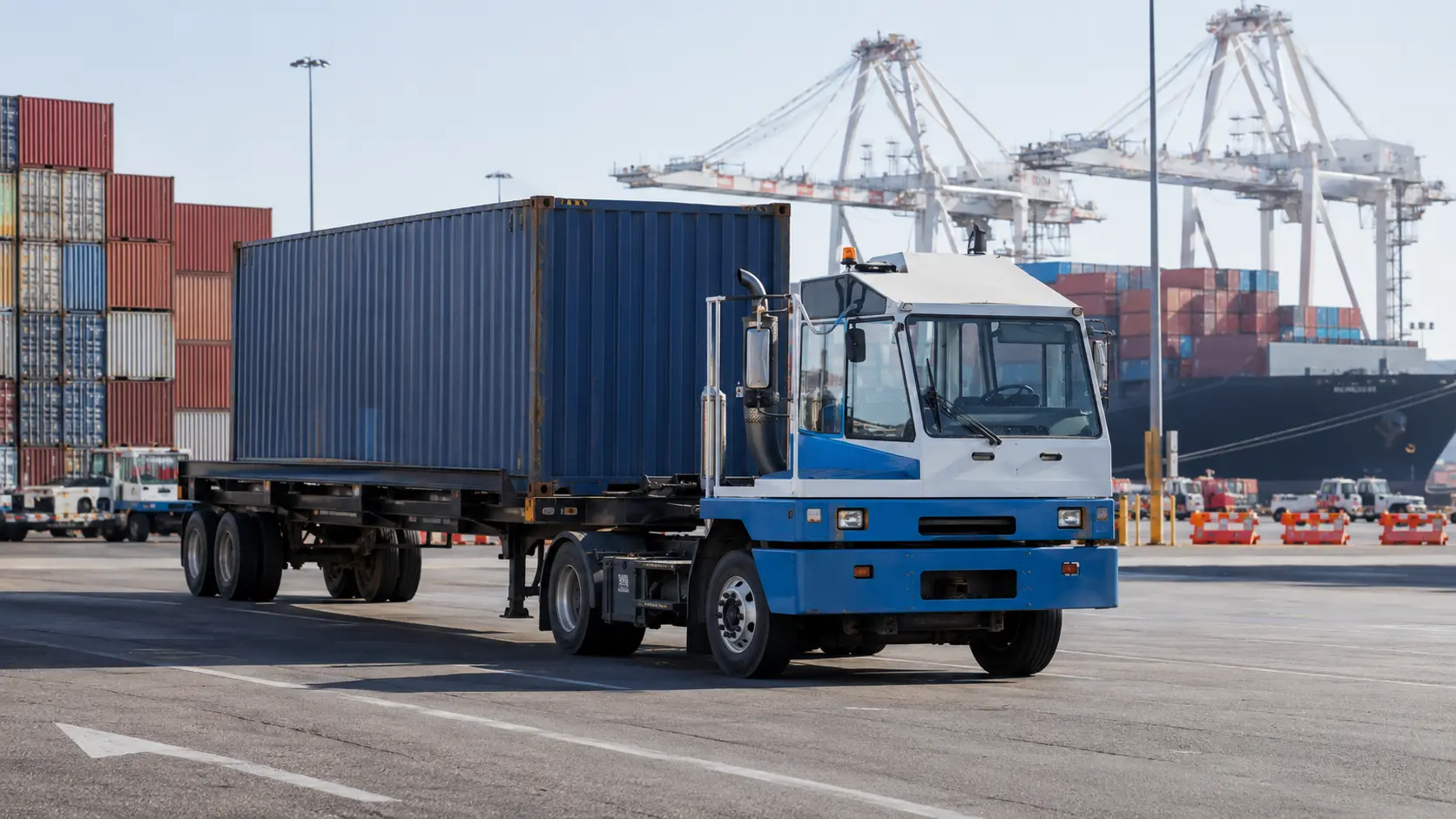
The 2026 import peak arrived earlier than the traditional late-summer and fall window as retailers moved merchandise ahead of tariff changes and other supply-chain uncertainty. Heavy Duty Trucking reported August 7 that major U.S. ports are expected to remain busy through August before container volumes ease during most of the remaining year.
Ports covered by the National Retail Federation’s Global Port Tracker handled 2.23 million twenty-foot-equivalent units in June. That was 13.2% higher than June 2025 but 0.7% below May. First-half volume reached 12.7 million TEUs, up 1.1% year over year. The forecast puts July at 2.21 million TEUs and August at 2.22 million, followed by gradual declines through November and a small December increase.
The national total masks major regional differences. Los Angeles recorded June’s largest gain among the top ports, rising 16.1% from May, while New York and New Jersey increased 1.7%. Houston fell 21.7%, Savannah declined 8.2% and Long Beach dropped 4.5%. Descartes also reported that Los Angeles transit delays rose from 2.9 days in May to 5.8 days in June as freight concentrated there.
For drayage and regional carriers, an early peak can shift hiring, chassis demand, appointments and warehouse congestion forward without guaranteeing a stronger autumn. Fleets should plan by port and customer rather than from national volume alone, confirm detention terms and avoid adding long-term capacity for a short surge. Drivers can reduce wasted time by checking terminal appointments, container availability and return instructions before entering the port. The outlook suggests steady import freight, but increasingly uneven opportunities across gateways and months.
Build Your CDL Career With Patriot CDL
Explore professional Class A, Class B and restriction-removal training in Levittown, Pennsylvania.
Talk With Admissions