

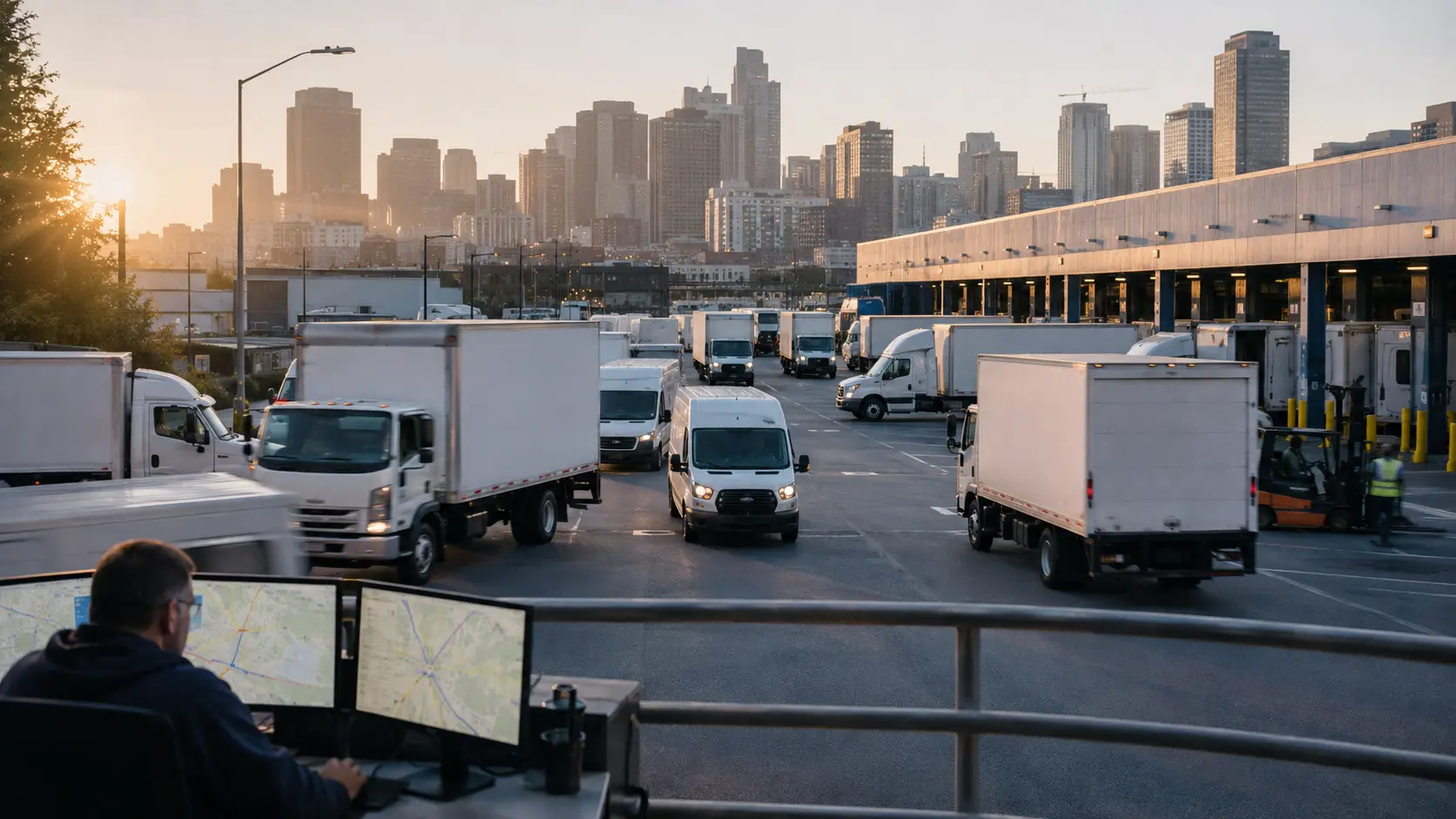
Last-mile delivery costs rose by a median 12% in 2026, matching the increase operators reported one year earlier, according to research covered by FreightWaves on September 1. Six in 10 surveyed operators said costs climbed more than 10%, while one in five reported increases above 20%.
The FarEye research drew more than 3,000 data points from U.S. delivery operators during the first half of the year. Eighty-eight percent said delivery expense was growing as fast as revenue or faster, meaning only about one in eight was creating operating leverage as volume expanded. Fuel ranked among the top three pressures for 70% of respondents, followed by driver cost and availability at 51% and vehicle operating expense at 40%.
Operational inefficiency also matters. Survey participants cited routing, failed delivery attempts and returns as meaningful cost sources. At the same time, customers placed more value on predictable arrival times and successful first attempts than on the fastest possible service. That preference gives fleets a reason to prioritize reliable planning instead of paying for speed that recipients may not value.
Delivery fleets can respond by measuring cost per completed stop, route density, dwell time, empty miles and first-attempt success. Dispatchers should compare planned routes with actual driver activity and correct recurring address or appointment problems. Drivers can help by documenting access barriers and delivery exceptions promptly. Companies should avoid cutting safety or vehicle maintenance to protect margins; cost control works best when routing, customer communication and equipment uptime improve together.
Build Your CDL Career With Patriot CDL
Explore professional Class A, Class B and restriction-removal training in Levittown, Pennsylvania.
Talk With Admissions